The Ultimate Guide to Edible Himalayan Pink Salt: Science, Culinary Arts, and Every Day Rituals
Evens
The Ultimate Guide to Edible Himalayan Pink Salt: Science, Culinary Arts, and Every Day Rituals
Step into almost any modern kitchen, and you will likely spot a familiar rosy hue sitting on the spice rack. Himalayan pink salt has transitioned from an exotic health food trend into a global culinary staple. Celebrated for its unique coloring, rich flavor profile, and ancient origins, this unrefined mineral complex has captured the imaginations of home cooks and professional chefs alike.
But what exactly separates this pink treasure from ordinary table salt? Where does it come from, how does it interact with our bodies, and how can you maximize its potential in your daily routine?
The Ancient Origin Story
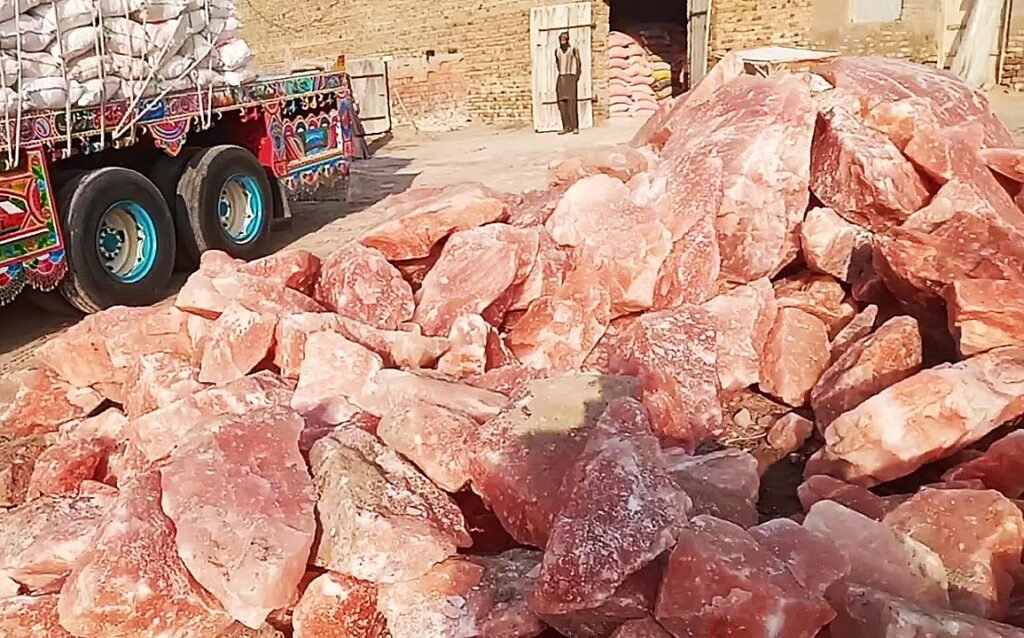
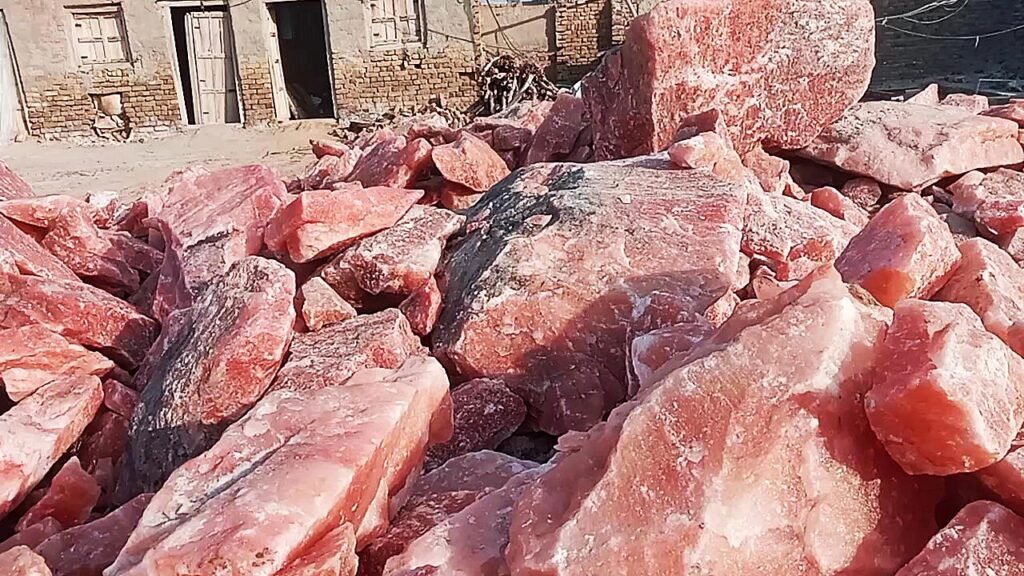
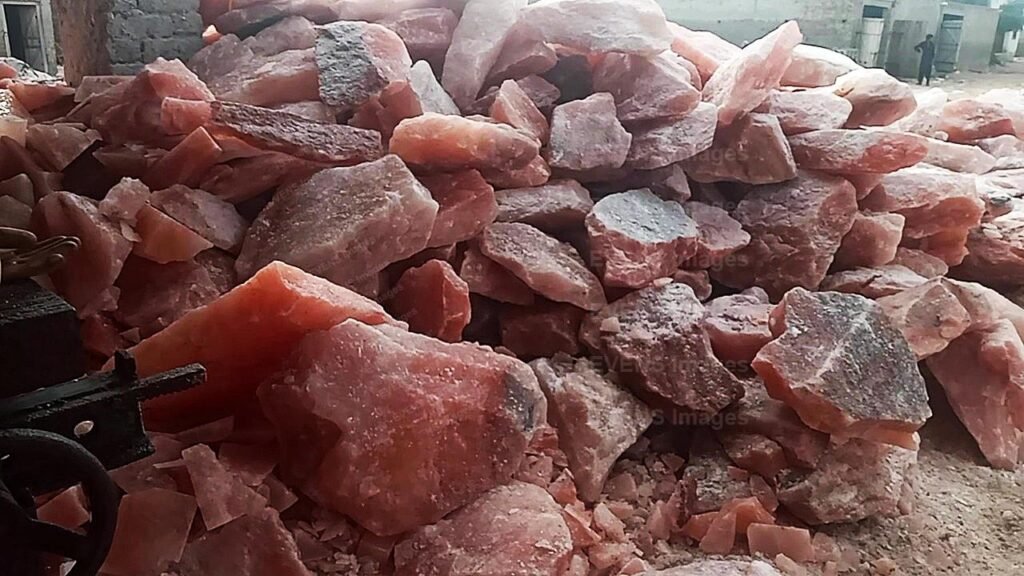
Despite its name, Himalayan pink salt is not harvested from the snowy peaks of Mount Everest. Instead, it is extracted from ancient seabeds located deep within the Salt Range of Pakistan, primarily at the historic Khewra Salt Mine.
Over 250 million years ago, during the Precambrian era, a pristine ocean covered what is now the Punjab region. As tectonic shifts folded the earth, creating the Himalayan mountain range, this ancient ocean evaporated. It left behind massive, concentrated deposits of crystallized marine salt.
Buried deep beneath the earth’s crust, these deposits were shielded from modern environmental pollutants, microplastics, and toxins for millennia. Today, the salt is mined using traditional, sustainable room-and-pillar methods. The raw crystals are carefully hand-extracted, washed, and crushed into various grain sizes without any aggressive chemical processing or heavy bleaching.
The Science Behind the Pink Hue
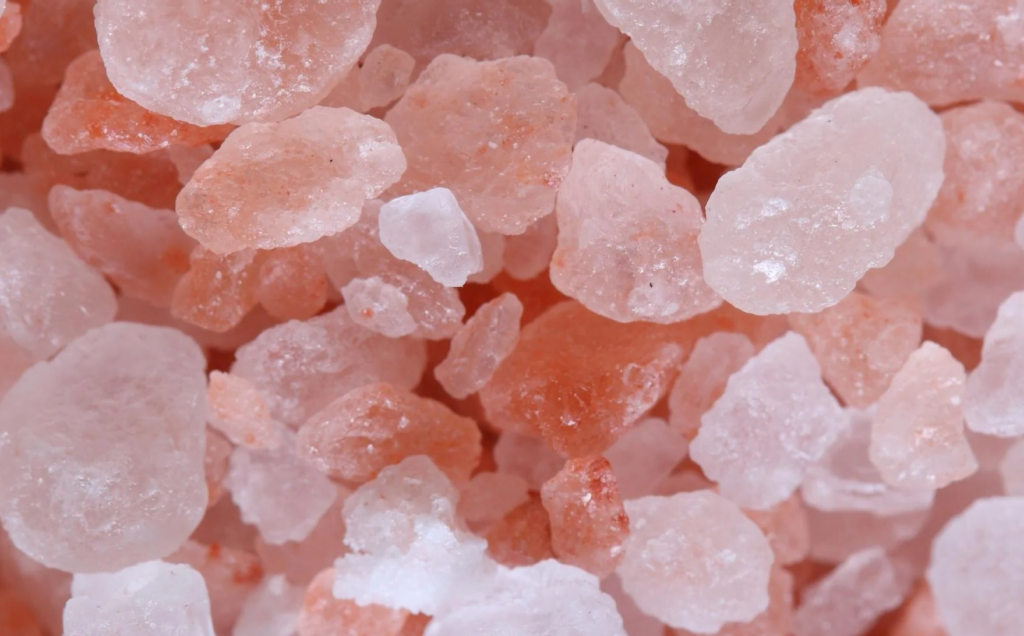
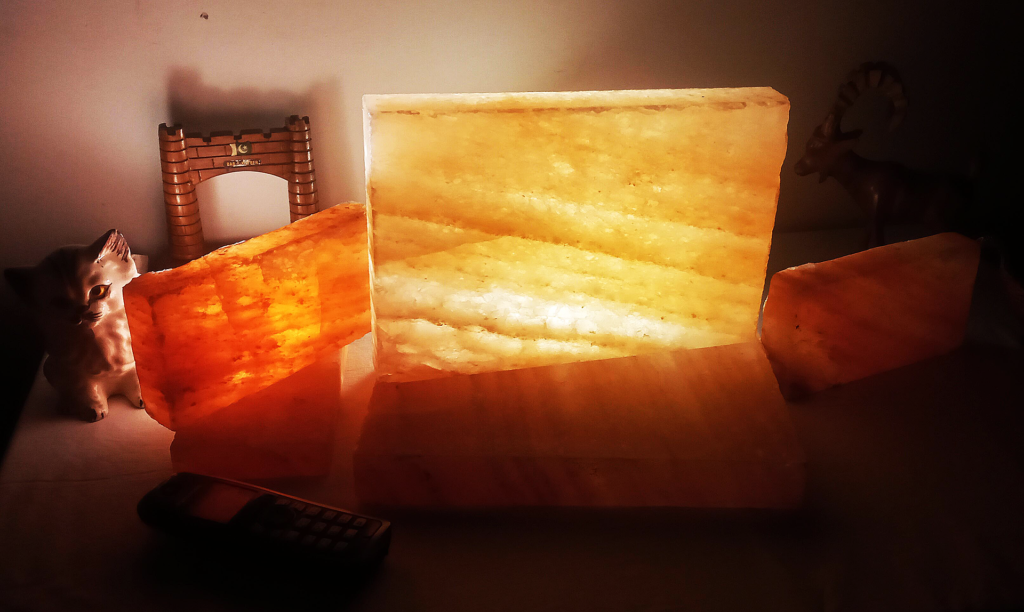
The striking color palette of Himalayan salt—ranging from delicate blush pink to deep, sunset orange—is entirely natural. It is dictated by the salt’s structural chemistry.
Raw Himalayan Rock Salt ──> Rich in Sodium Chloride (98%) + 84 Trace Minerals (2%) │ └───> Iron Oxide (Pink/Red tint) └───> Magnesium, Potassium, Calcium
While regular table salt is heavily processed to isolate pure sodium chloride (often upwards of 99%), raw Himalayan pink salt retains its wild mineral matrix. It consists of roughly 98% sodium chloride and 2% trace elements.
The primary element responsible for the beautiful pink coloration is iron oxide (rust in its most natural, mineralized form). Alongside iron, the salt contains measurable traces of other essential elements:
Magnesium: Supports enzymatic functions and nervous system health.
Potassium: Helps regulate fluid balance and muscular contractions.
Calcium: Vital for bone structural integrity and cell signaling.
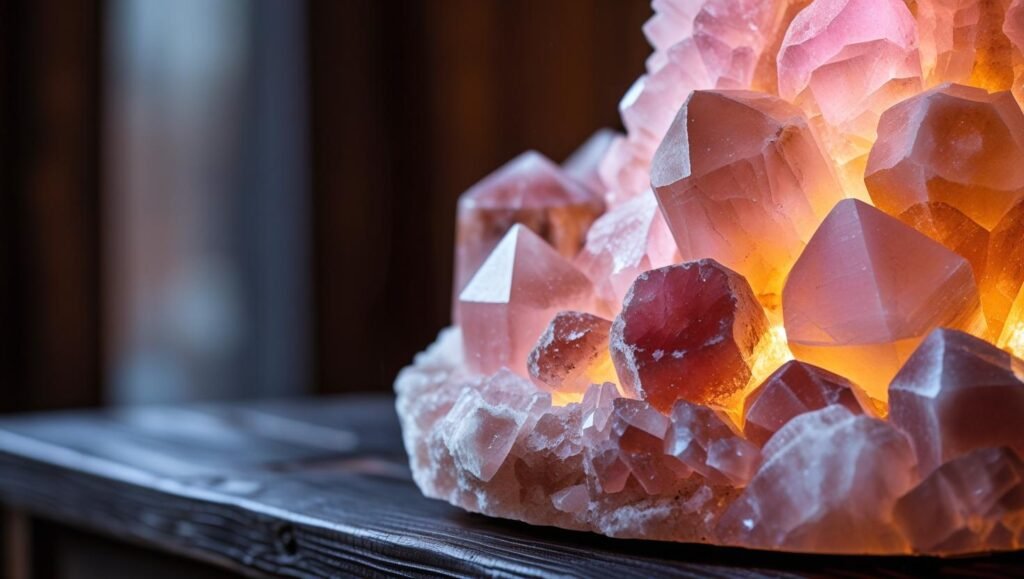
Because these minerals are trapped within the crystalline lattice, they alter how light bounces through the crystal, creating an aesthetic masterpiece directly on your dinner plate.
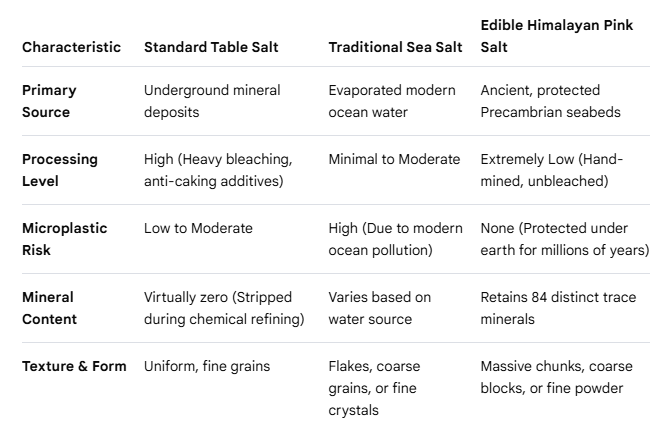
Table Salt vs. Sea Salt vs. Himalayan Pink Salt
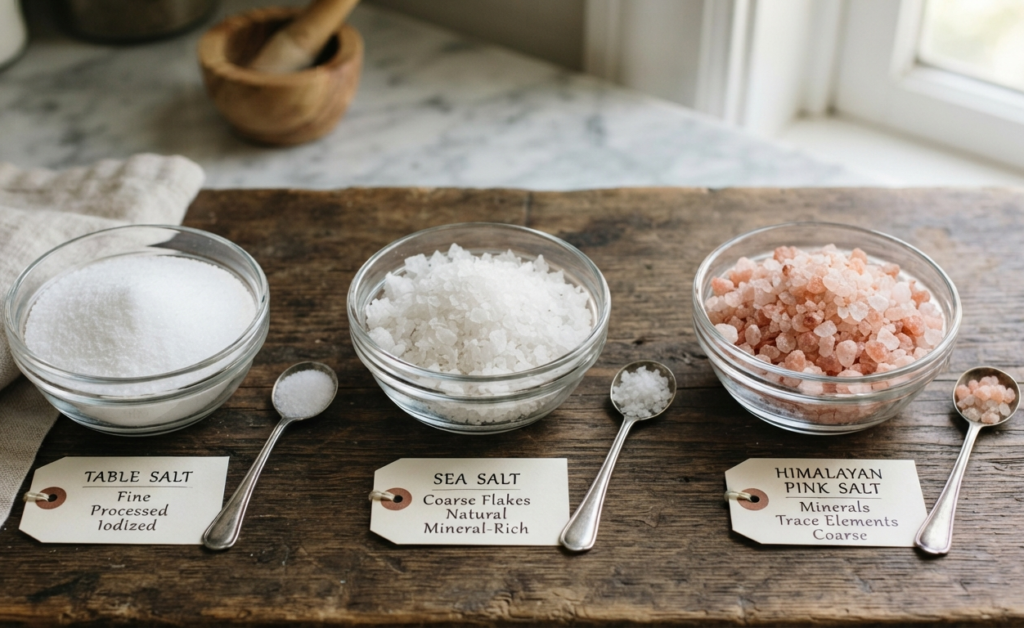
To understand why gourmet chefs prefer pink rock salt, it helps to analyze it directly alongside standard culinary alternatives.
Culinary Engineering: Matching Grain Sizes to Dishes
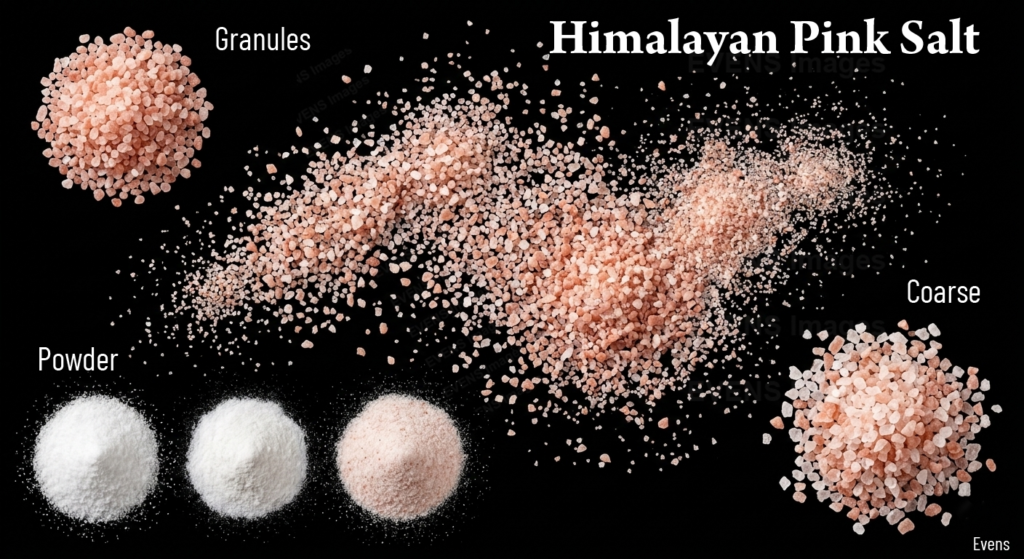
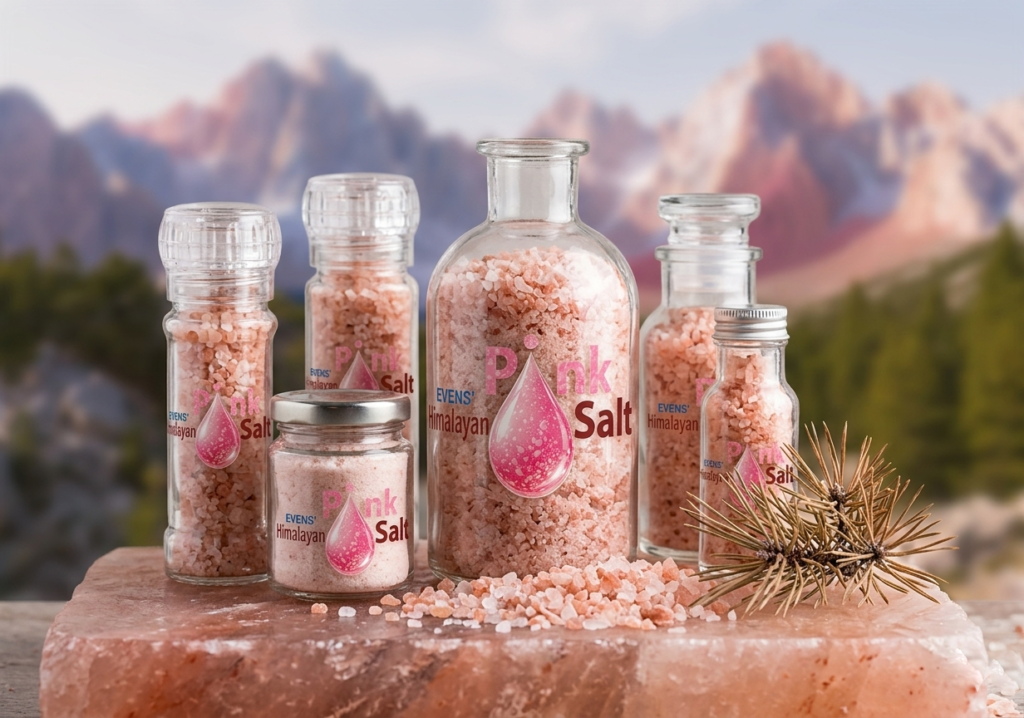
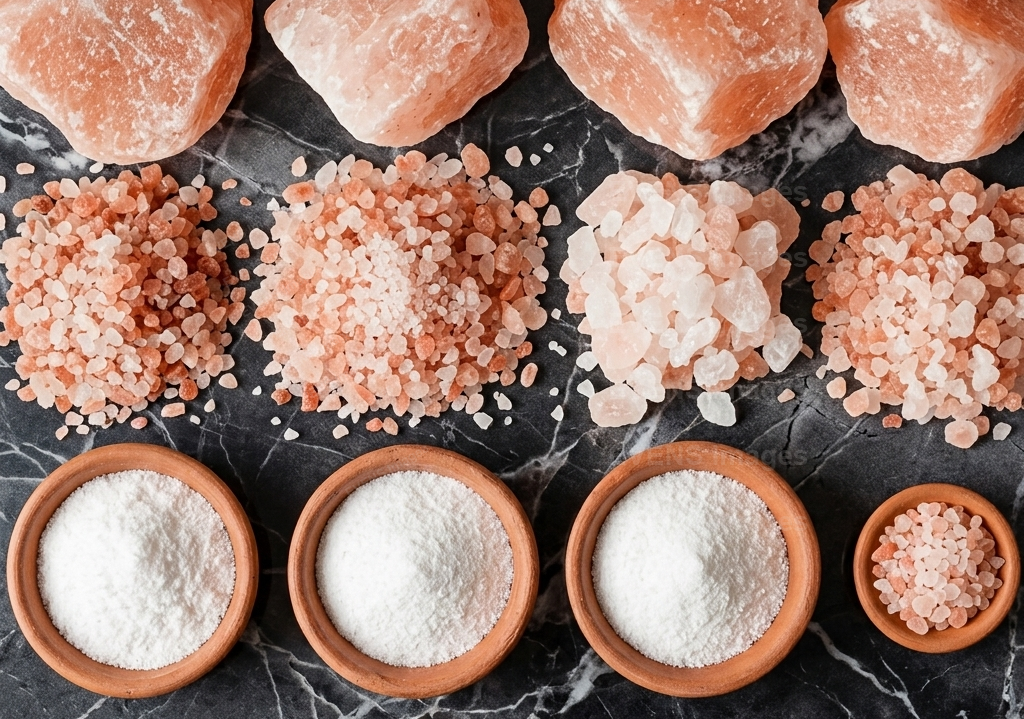
Not all salt grains are created equal. Edible pink salt is distributed in several physical profiles, each uniquely suited to different stages of culinary execution.
1. Fine-Grain Pink Salt (0mm – 1mm)
This is the closest visual alternative to standard table salt. Because the surface-area-to-volume ratio is incredibly high, it dissolves rapidly.
Best Used For: Baking formulas requiring exact weights, everyday salt shakers, uniform soup seasoning, and quick stovetop marinades.
2. Coarse-Grain Pink Salt (2mm – 6mm)
These larger, jewel-like chunks require a dedicated ceramic spice grinder or a heavy mortar and pestle.
Best Used For: Brining thick cuts of pork or poultry, adding texturizing crunch to roasted root vegetables, and rimming artisanal cocktail glasses.
3. Raw Salt Chunks & Shards
Massive, un-milled crystal chunks. These are generally used to create highly concentrated electrolyte fluids or grate directly over food with a microplane for a striking visual finish.
Next-Level Cooking: The Himalayan Salt Block
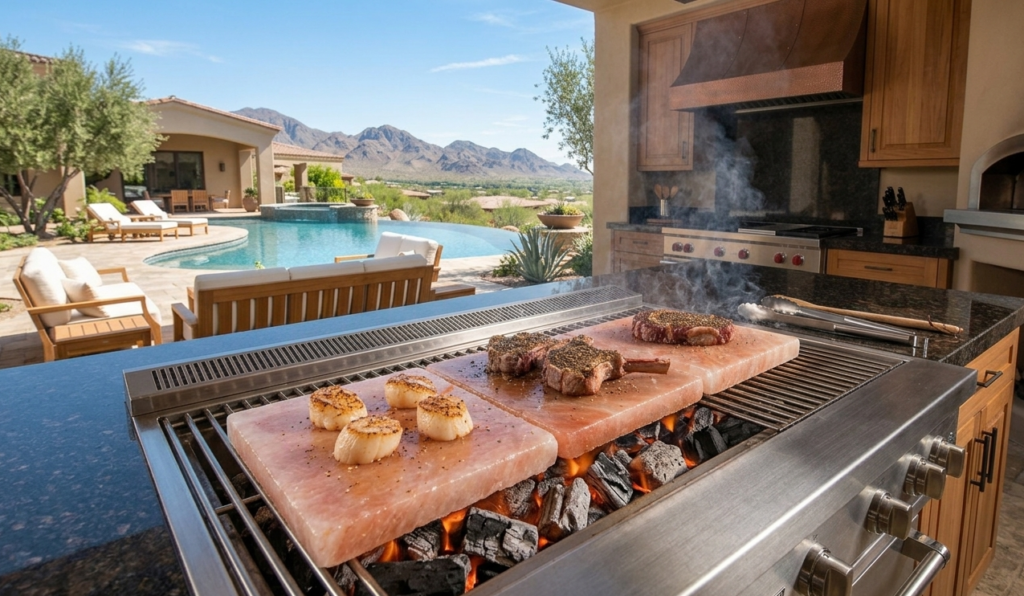
Searing on a Heated Block Because the salt block conducts heat evenly, you can place it directly over a gas grill, stovetop burner, or inside an oven. Slowly heat the block to around 400°F–450°F. Once hot, lay thin strips of wagyu steak, fresh scallops, shrimp, or asparagus directly onto the pink surface. The food sears instantly, picking up a perfectly delicate, mineral-rich saltiness that cannot be replicated by standard surface seasoning.
Chilling on a Frozen Block
Conversely, pink salt blocks can be kept in the freezer for several hours. Use the ice-cold block as a beautiful serving platter for sushi, beef carpaccio, fresh fruit, or gourmet ice cream. As the cold food rests on the stone, it absorbs a subtle savory note that amplifies complex flavor dimensions.
Dispelling the Myths: Empathy and Real Talk
Let’s address the elephant in the room with some direct, practical candor. The wellness community has occasionally made monumental claims regarding Himalayan pink salt, sometimes asserting it can miraculously detoxify your organs or balance your pH levels instantly.
It is beautiful, natural, and completely unrefined—which makes it an excellent choice for a whole-food lifestyle. However, it is fundamentally still salt. The trace elements are present in small quantities per serving. You shouldn’t consume massive spoonfuls of salt to hit your daily potassium or magnesium metrics. Treat pink salt as a premium, clean seasoning vehicle, not an overnight health supplement. Enjoy it for its lack of artificial additives, its pure taste, and its stunning kitchen presence!
Beyond the Plate: Wellness & Aesthetic Rituals
Because food-grade Himalayan salt is so pure, it easily transitions into other household self-care routines.
Sole Water Elexir: Many wellness enthusiasts mix whole chunks of pink salt into a jar of water until it becomes completely saturated. Taking a single teaspoon of this mineralized fluid (“Sole”) in the morning is a popular method to help restore raw electrolytes after sleep.
Detoxifying Bath Soaks: Dropping coarse culinary pink salt into a hot bath creates an immersive, mineral-dense soak. It gently exfoliates the skin, soothes tight muscle fibers, and mimics the therapeutic properties of natural hot springs.
Texturizing Hair Sprays: Dissolving a pinch of fine-grain pink salt into warm water with a drop of argan oil creates an easy, homemade beach-wave hair mist
Our services
Based in Pakistan, we source our premium Himalayan salt directly from the historic Khewra salt mines and regional salt factories to fulfill the demands. This direct origin guarantees 100% authentic, unrefined Himalayan rock salt, free from artificial additives or industrial processing. By bypassing third-party distributors and managing the supply chain straight from the source, we ensure strict quality control and maximum trace-mineral potency. We offer these high-grade blocks in various sizes to suit different livestock setups. Our direct access enables us to offer highly competitive pricing on both small, custom orders and large, commercial bulk shipments worldwide.
We provide Himalayan Salt products worldwide in any quantity, single item, Less than Container Load (LCL) or full container load. We do branding, labeling and bespoke orders.
 The Science Behind the Pink Hue